Center for the Study of World Religions Brings Psychedelic Chaplaincy to the Forefront
By JEFFREY BLACKWELL
Center for the Study of World Religion
A global resurgence of scientific, medical, and public interest in the therapeutic and transformational potential of psychedelic drugs, plants, and fungi is raising questions about the availability of spiritually responsive care, including the emerging field of psychedelic chaplaincy, in clinical and community settings where psychedelics are used.
Psychedelic journeys, in both clinical and non-clinical settings, often lead participants to profound spiritual, religious, and existential experiences. This raises a crucial question: what kinds of responsive care and support are needed to protect patients and enhance these experiences?
In the United States and around the world, a growing number of researchers are investigating the therapeutic potential of substances such as psilocybin, LSD, DMT, mescaline, ketamine, and MDMA to treat post-traumatic stress disorder (PTSD), depression, addiction, and other mental health conditions. This “psychedelic renaissance” is also marked by a surge in psychedelic-based communities, churches, and underground practitioners who use these substances in religious ceremonies and for personal healing and growth.
“Is psychedelic chaplaincy, or spiritually attuned care, going to be something that’s necessary in the field?” said Jeffrey Breau, Program Lead of Psychedelics and Spirituality at the Center for the Study of World Religions. “I think the answer is a resounding yes, just because patients are having these experiences, and if there is no awareness and specific training on the part of the clinicians or others who are supporting them, then patient outcomes can be harmed.”
Psychedelic chaplaincy is a developing field that holds promise for addressing the need for spiritually attuned care. In 2024, the Center for the Study of World Religions (CSWR) developed a multi-year plan to establish the intellectual and pedagogical foundations of psychedelic chaplaincy by examining the landscape of current practices, training programs, and support mechanisms across both clinical and community settings.
CSWR Executive Director Gosia Sklodowska said the program was developed after a visit to the Interventional Psychiatry Clinic at Brigham and Women’s Faulkner Hospital in Boston. The clinic uses ketamine and esketamine to treat patients with depression. Several Harvard Divinity School (HDS) students interested in psychedelic chaplaincy served internships at the clinic. During that visit, physicians, nurses, and hospital chaplains observed that only about half of the patients receiving ketamine treatment connected with the HDS chaplaincy interns before or after treatment.
“Some patients were left trying to process their experiences entirely on their own—sometimes literally sitting outside afterward trying to make sense of what had happened,” said Sklodowska. “We saw how easily patients could be left alone with profound mind and life-altering moments. That’s when it became clear that spiritual care isn’t an add-on. It is essential to ethical psychedelic practice.”
The resulting program at the CSWR focused on the emerging field of psychedelic chaplaincy and care, including a comprehensive review of training programs nationwide. The study’s results were published in a white paper titled “Psychedelic-Assisted Therapy Training in the US: A Landscape Analysis” in June, identifying training gaps and opportunities for spiritually attuned care.
The study was conducted by leading experts Roman Palitsky, MDiv, PhD, of Emory Spiritual Health, Woodruff Health Sciences Center, and the Department of Psychiatry and Behavioral Sciences, Emory University School of Medicine, and Caroline Peacock, LCSW, DMin, of Emory Spiritual Health and Winship Cancer Center Institute. It was based on interviews with representatives from 13 established and emerging psychedelic facilitation training programs.
The study found that representatives acknowledged the importance of spiritual, existential, religious, and theological considerations in psychedelic care, yet many did not provide dedicated training in these areas because of limited time, resources, and instructors’ expertise.
“Training competent psychedelic facilitators will be absolutely essential to any rollout of psychedelic care in the U.S. Right now, it is an important time for training programs to begin sharing the practices that work well, and to tackle the areas that need more work, to be able to meet the need for skilled facilitators,” said Palitsky, lead author and researcher at Emory’s Center for Psychedelics and Spirituality.
Breau and Paul Gillis-Smith are co-leads of the Psychedelics and Spirituality program at the CSWR. Both also served as interns at the Interventional Psychiatry Clinic at Brigham and Women’s Faulkner Hospital during their Master of Divinity studies at HDS.
“We were essentially trying to understand the perspectives of the leaders of these programs. We were particularly interested in how they address the spiritual, existential, religious, and theological concerns of participants in training,” said Gillis-Smith. “Many participants in these programs are interested in spirituality, but the programs themselves do not have enough time to fully develop spiritually attuned care or spiritual facilitation. The workshops are a direct response to this gap.”
This fall, the CSWR organized two spiritual care intensive workshops. The first, held in September, focused on therapists and medical professionals involved in psychedelic research and clinical treatments in medical settings. The second, held in December, centered on therapists, chaplains, and others interested in providing spiritual care in both religious and recreational contexts.
“I’m very proud that the CSWR is taking a lead in helping develop curricula and workshops for psychedelic chaplaincy, and piloting workshops that might be taught outside of Harvard, and scaled up to meet the growing need,” said Charles Stang, Director of the Center for the Study of World Religions and Professor of Early Christian Thought at the Harvard Divinity School.
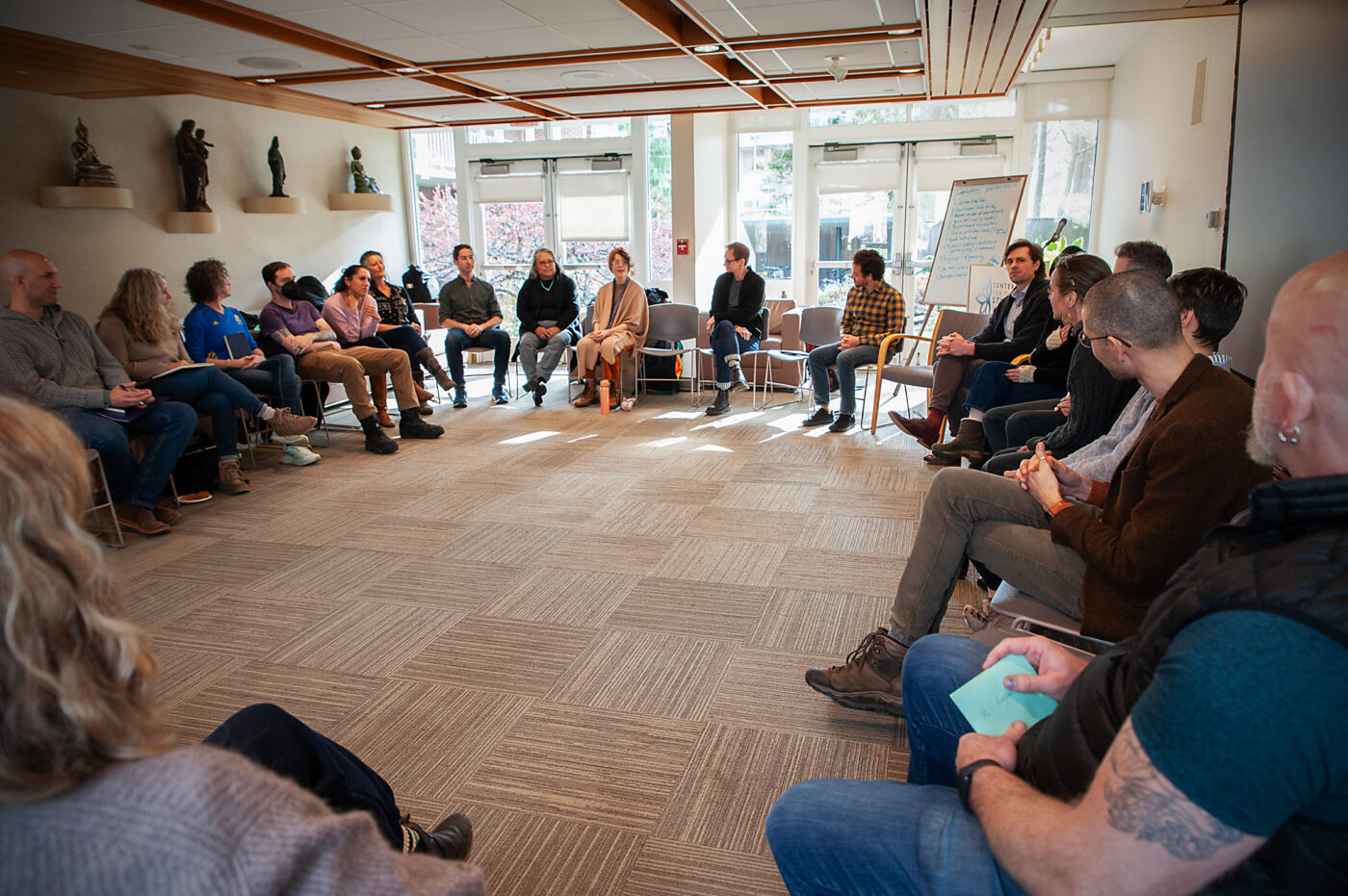
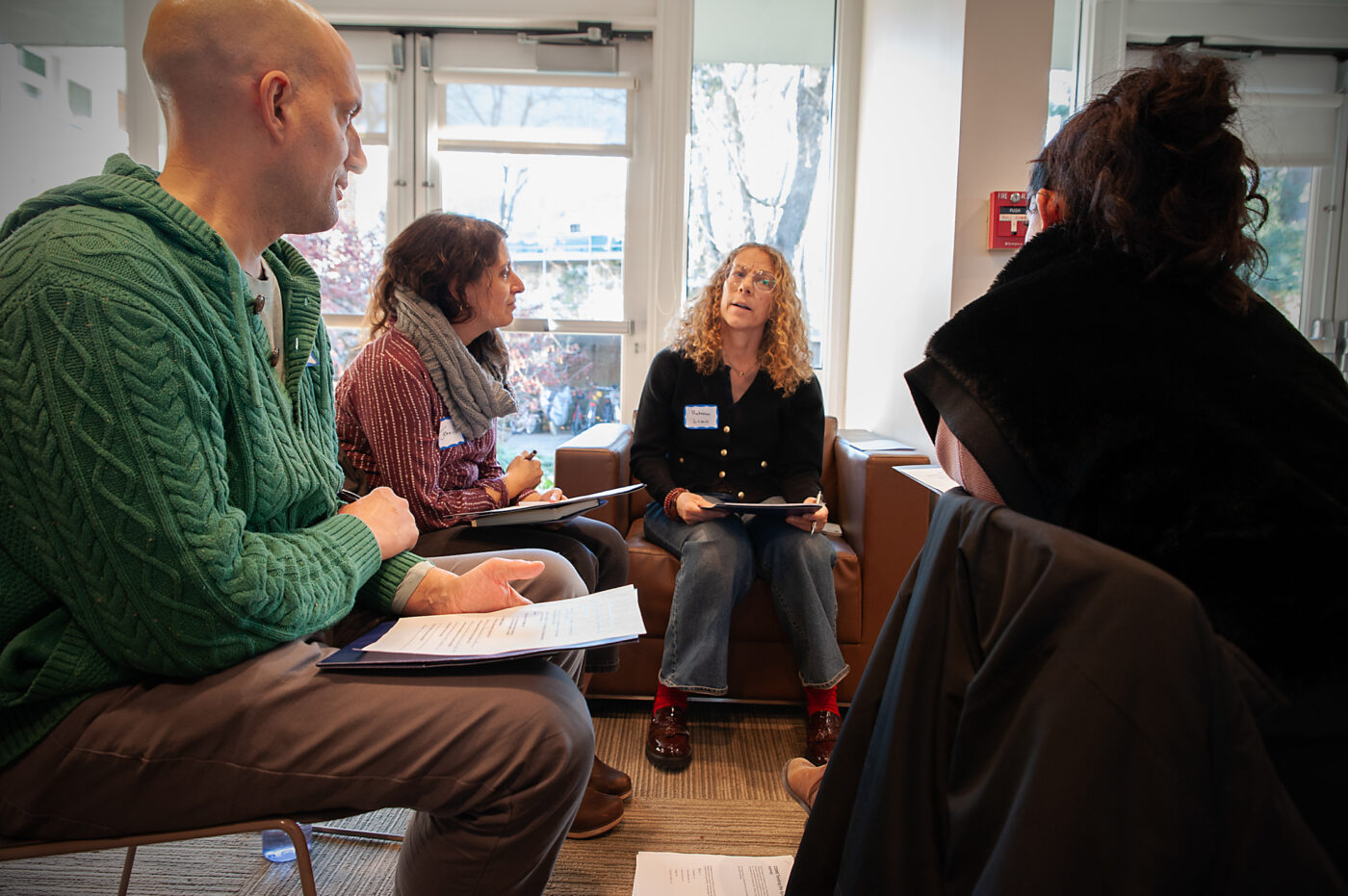
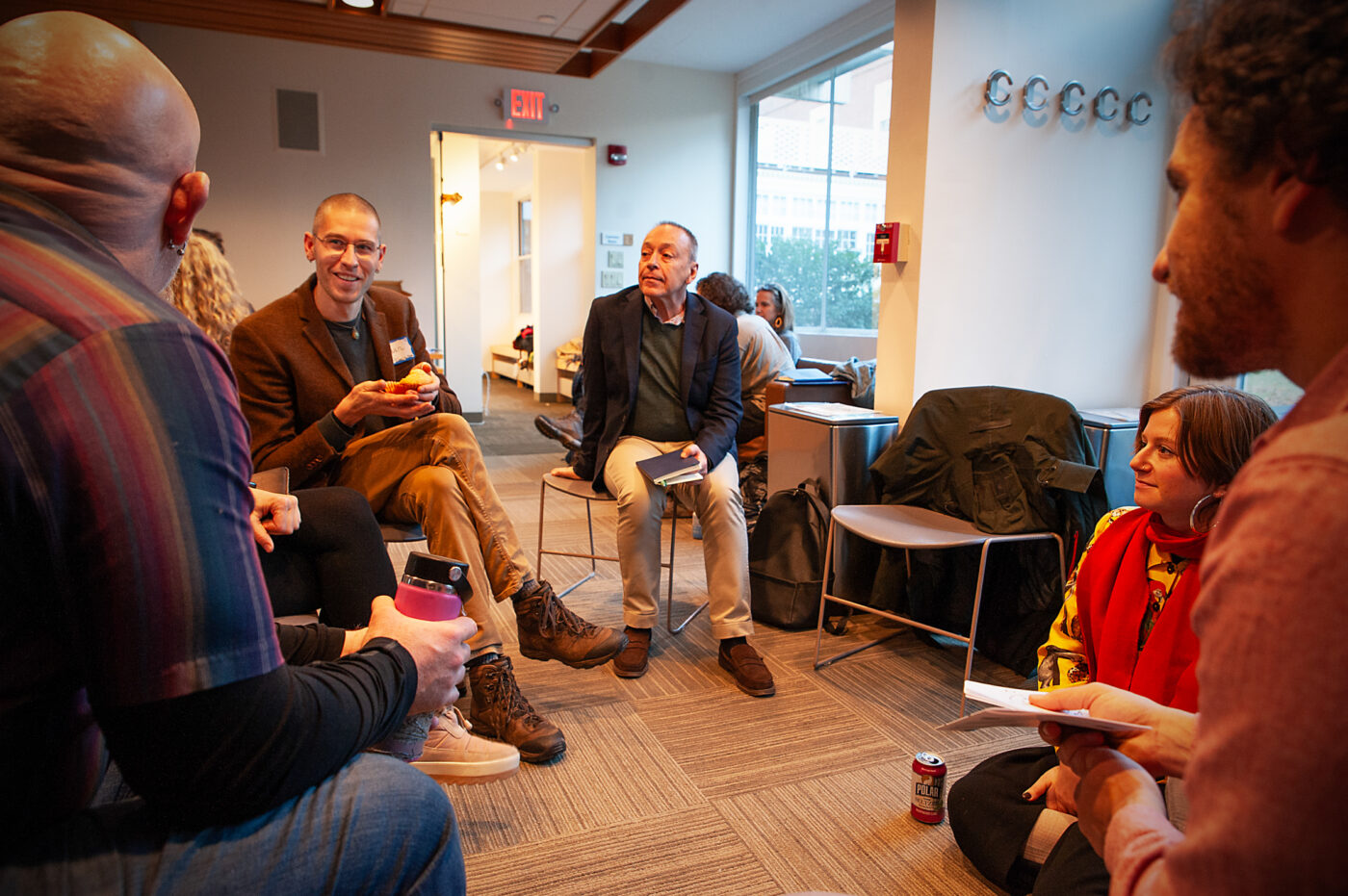
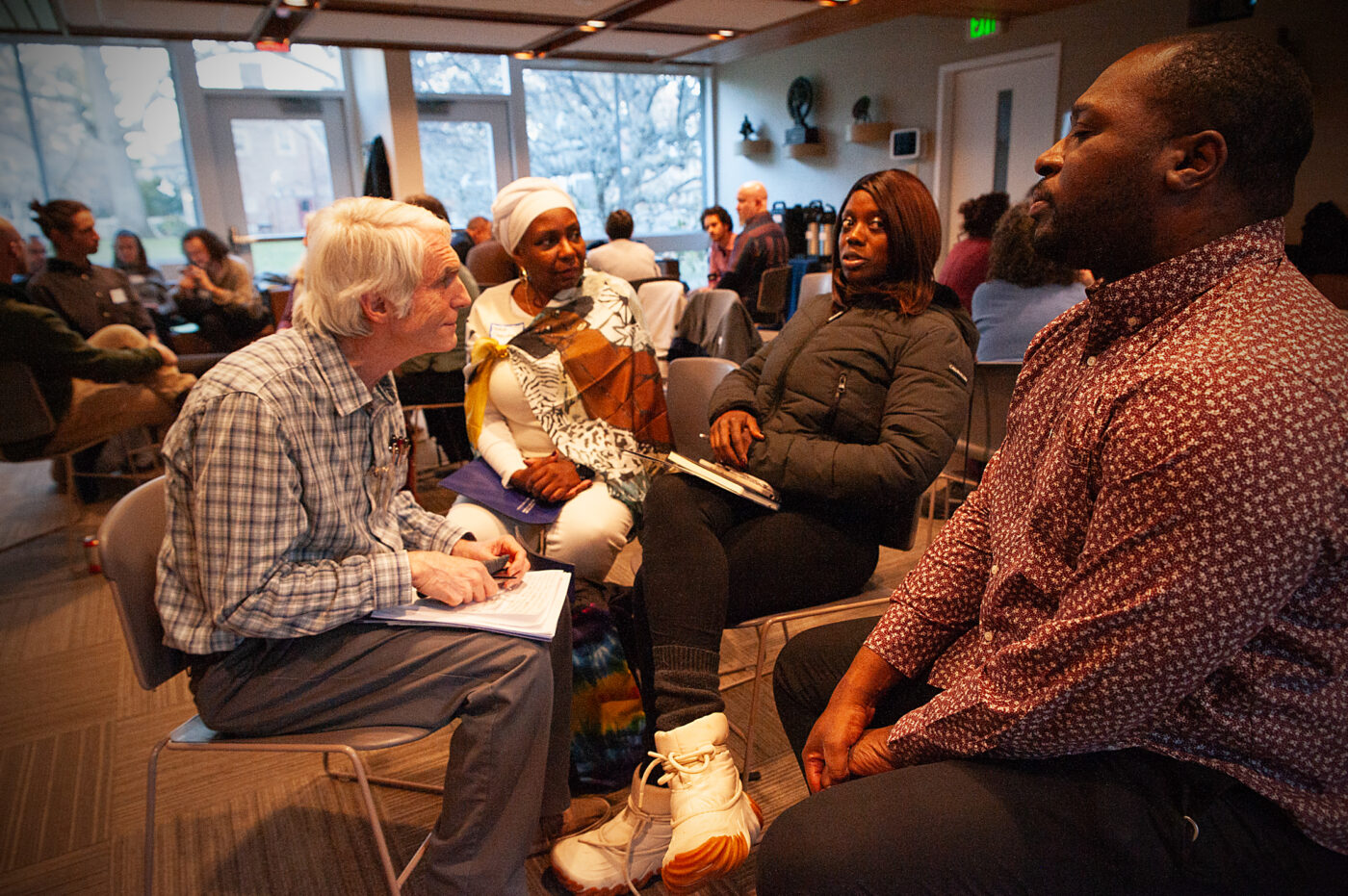
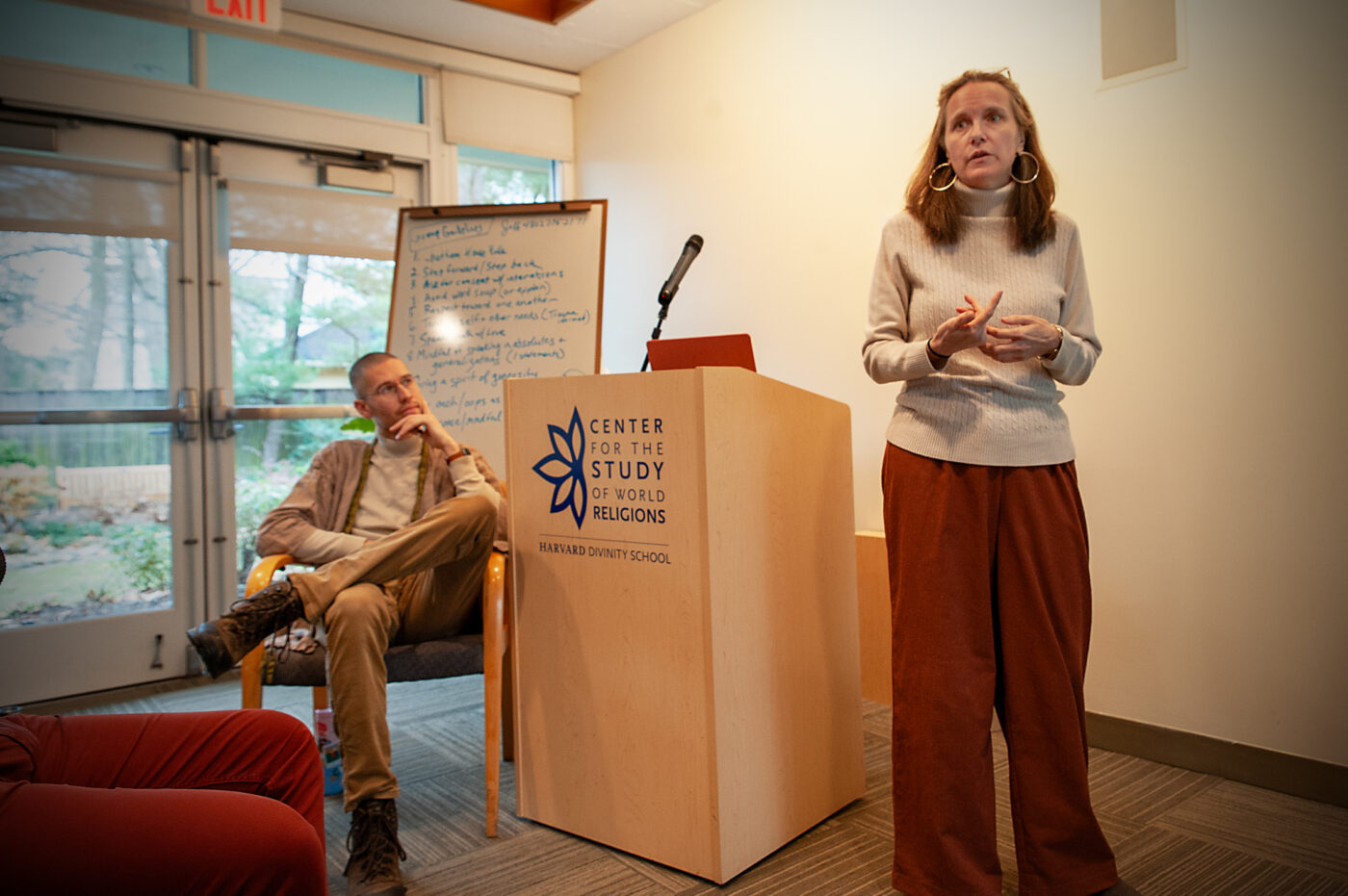
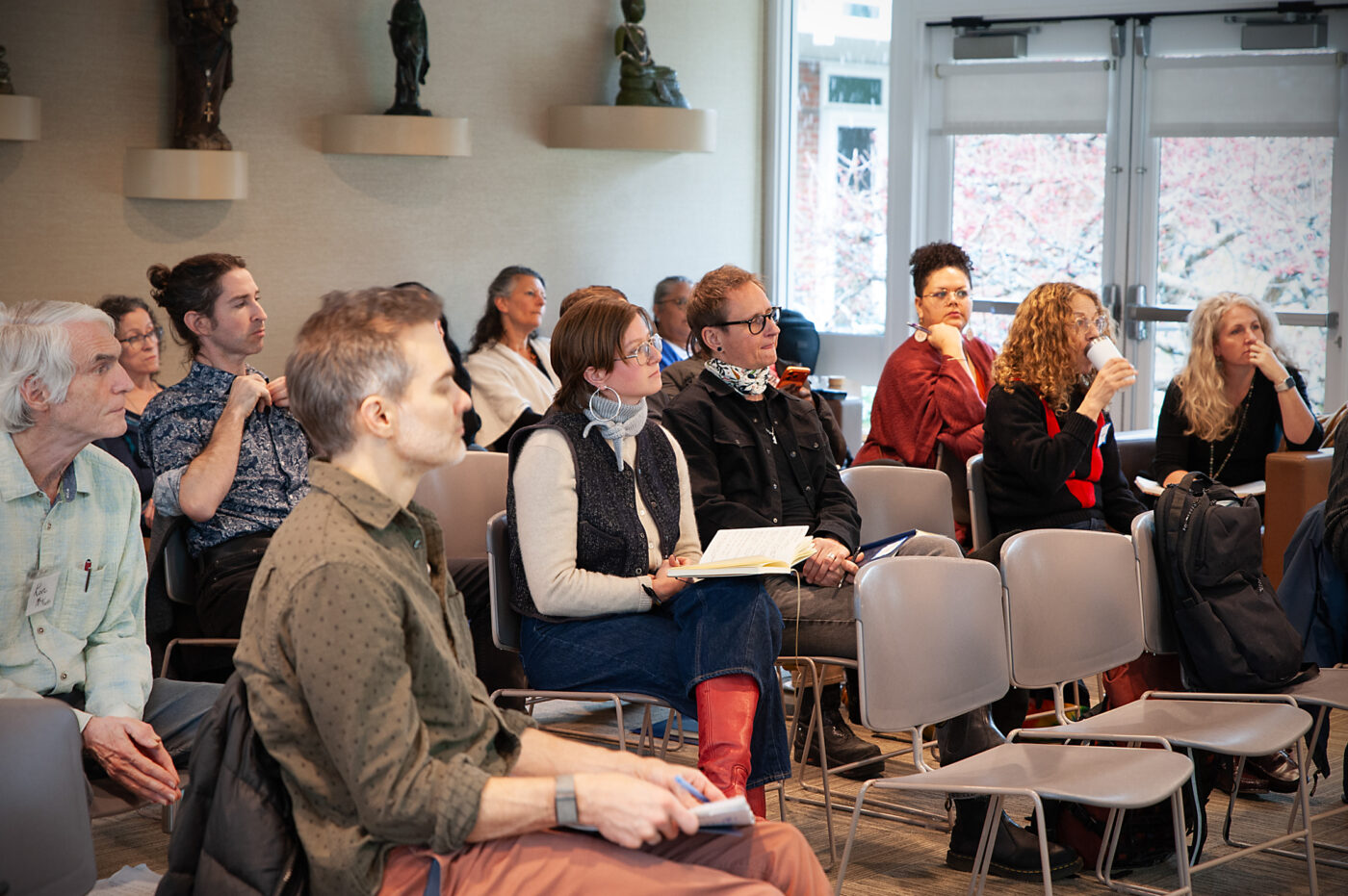
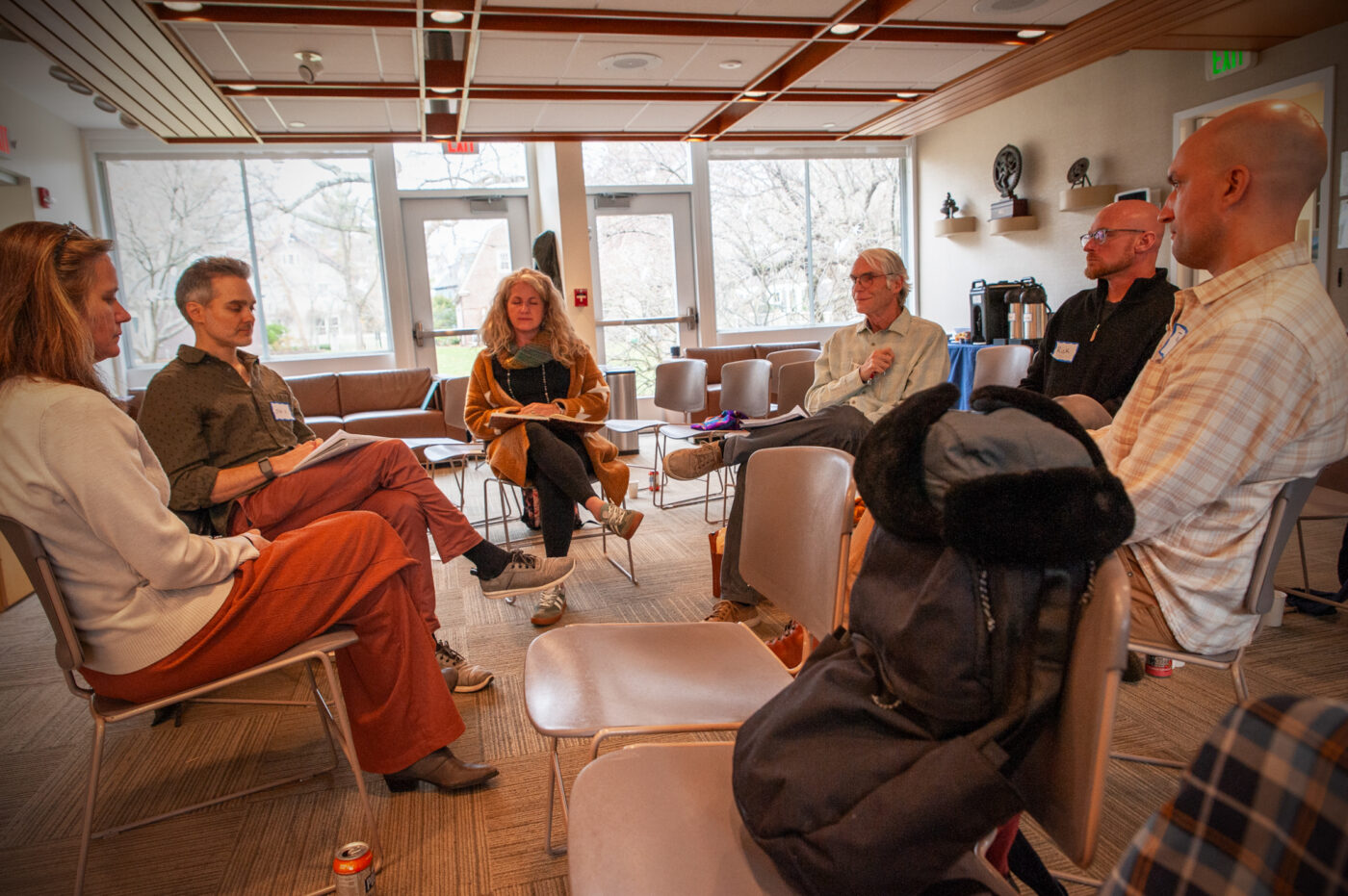
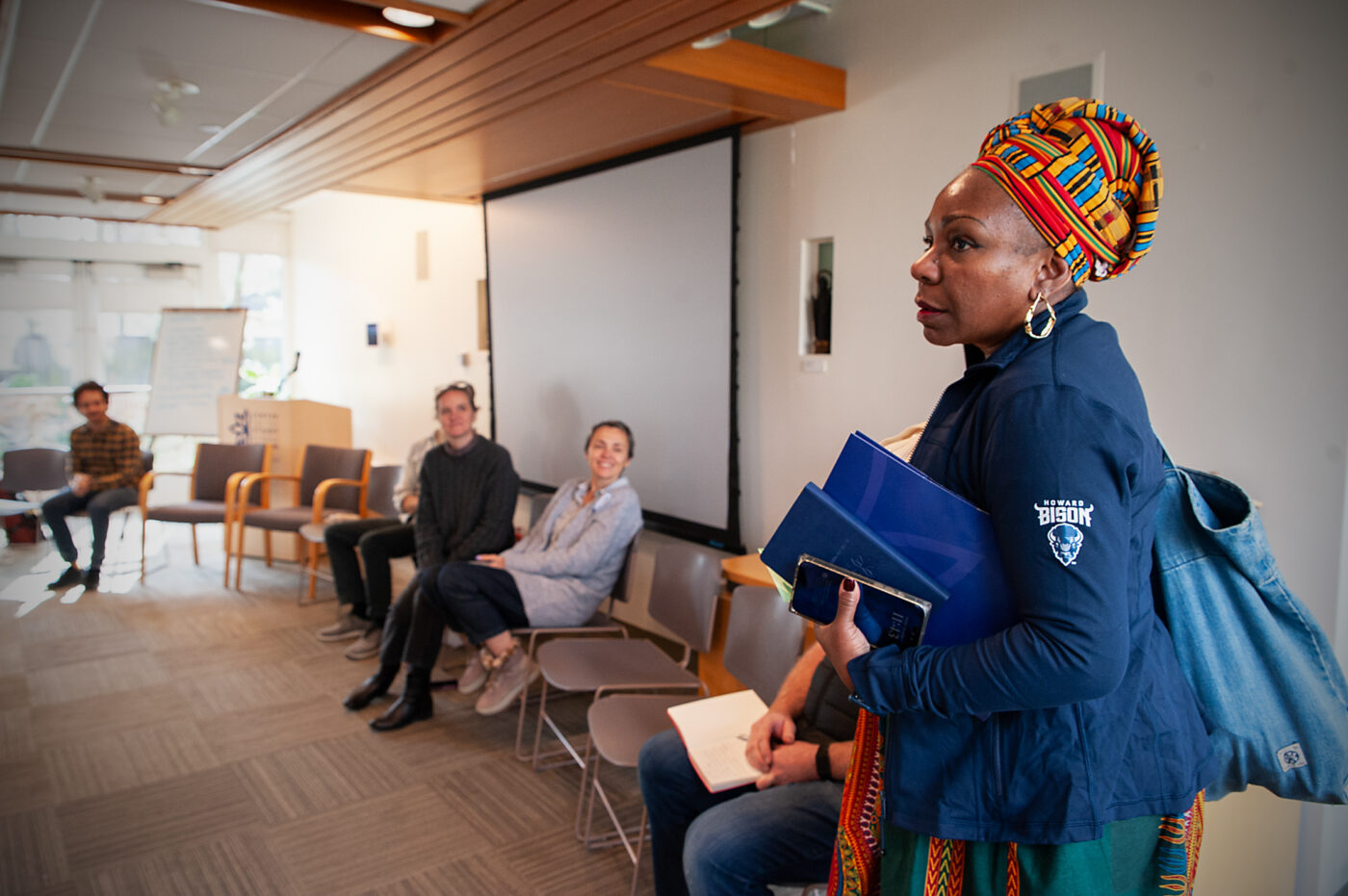
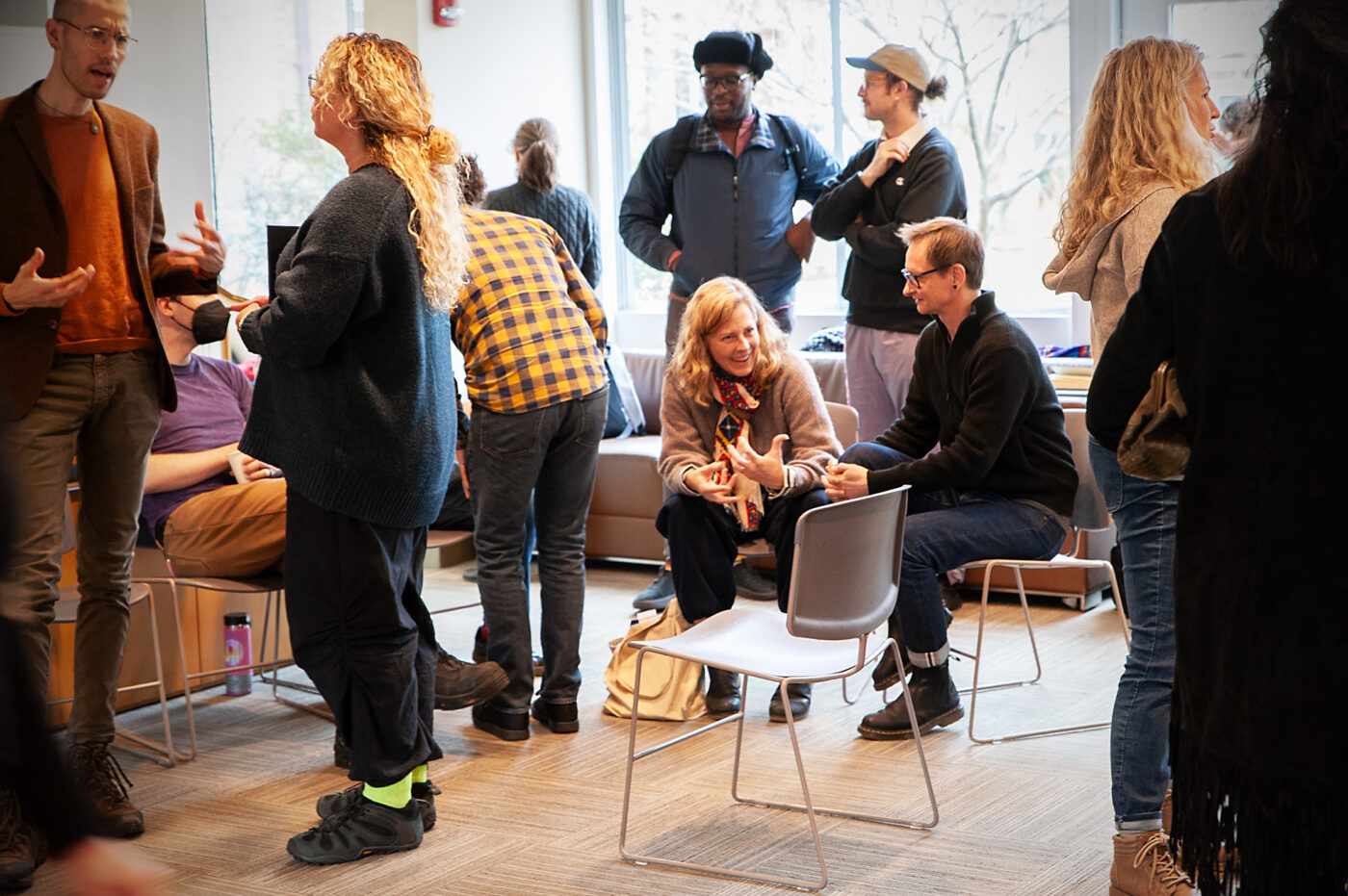
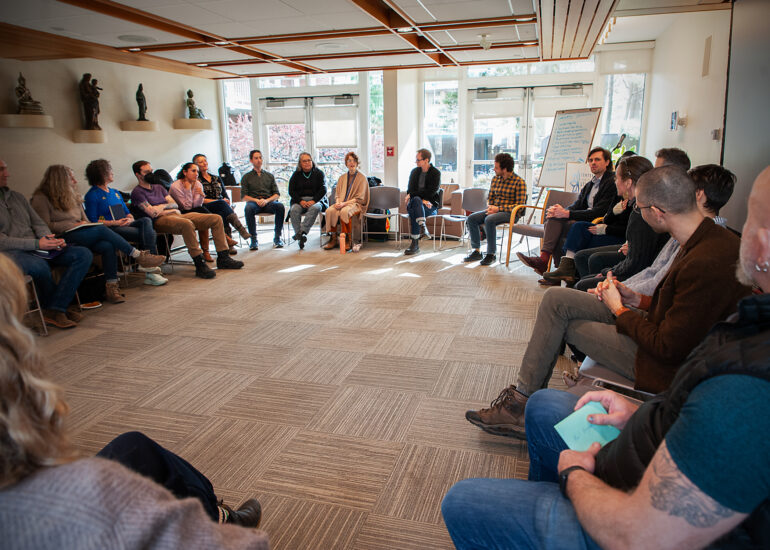
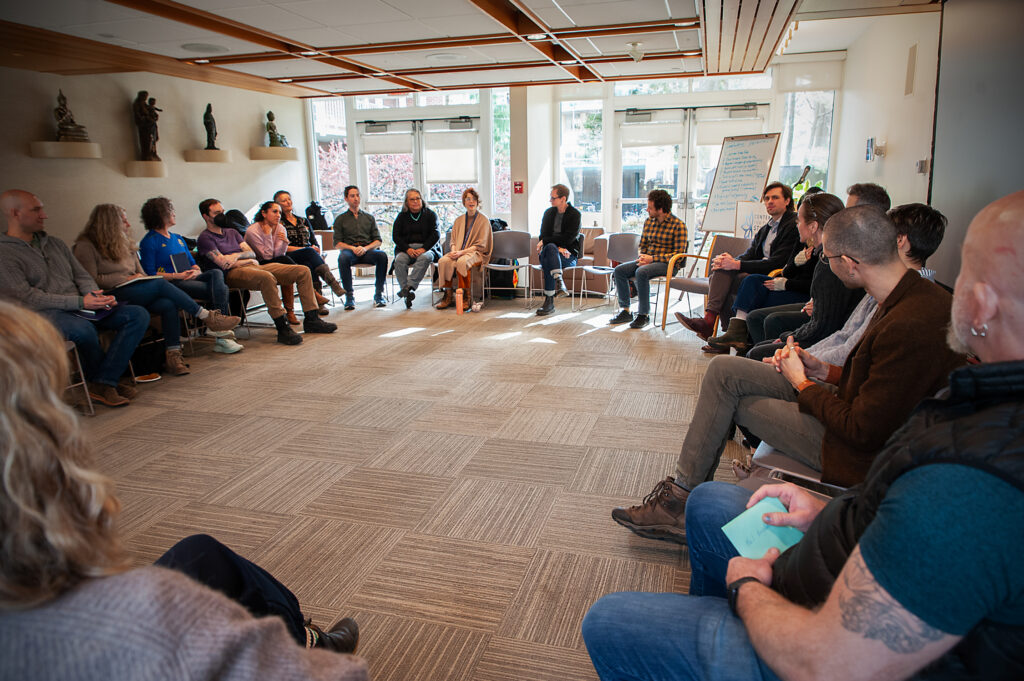
In a conference room at the CSWR in December, about 20 people from diverse backgrounds sat in a circle, introducing themselves at the start of a three-day workshop. Participants included a doula and psychedelic facilitator from Arkansas; a clinical psychologist and psychedelic integration therapist from New York State; a PhD candidate at HDS; a social worker and therapist from New York City; and an attorney and leader with the Nashville Psychedelics Society
These participants, along with others from across the United States and as far away as the Netherlands, were drawn to the workshop to explore spiritually responsive care in community-based settings, including psychedelic churches and groups, as well as therapists and facilitators.
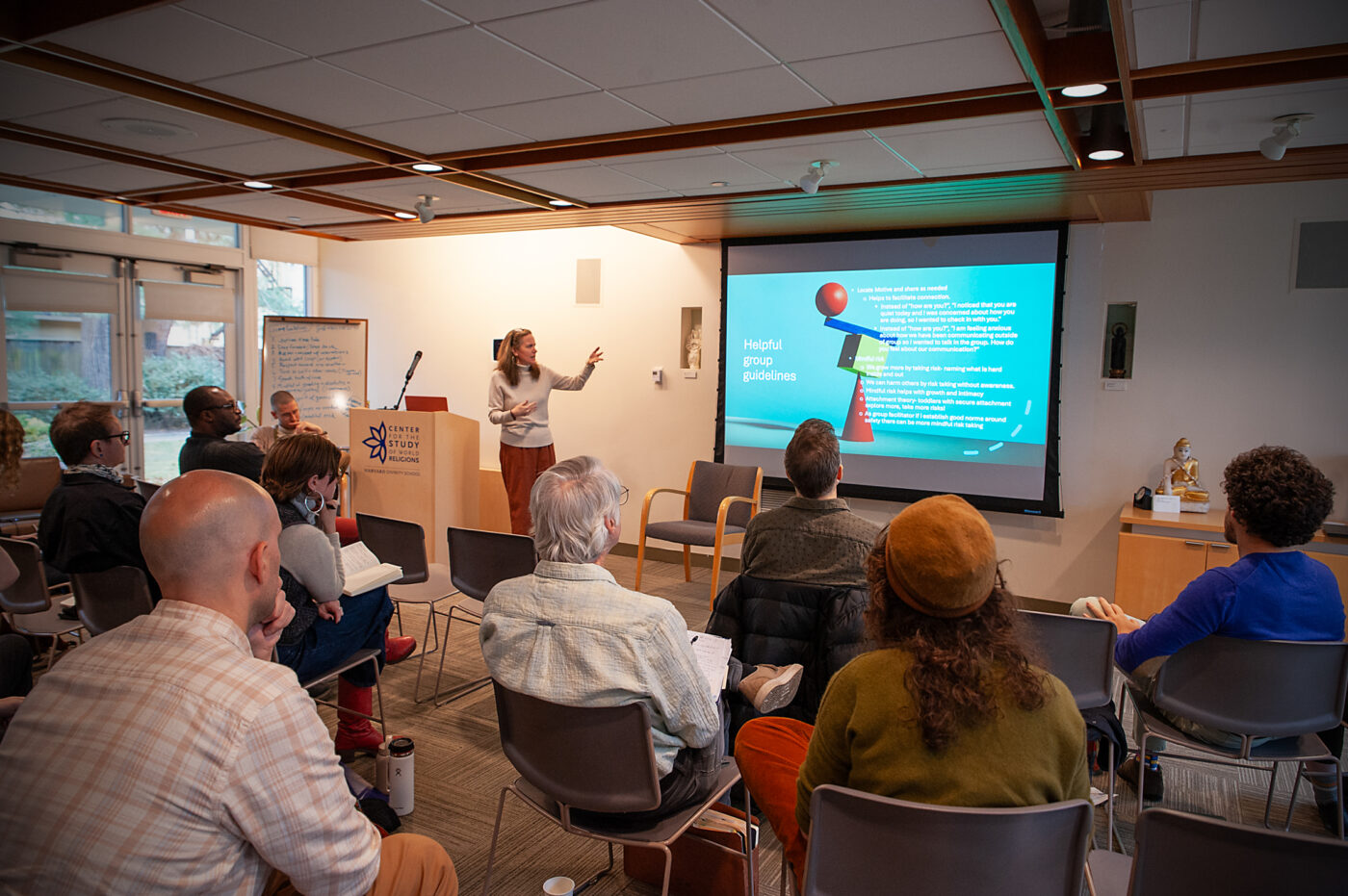
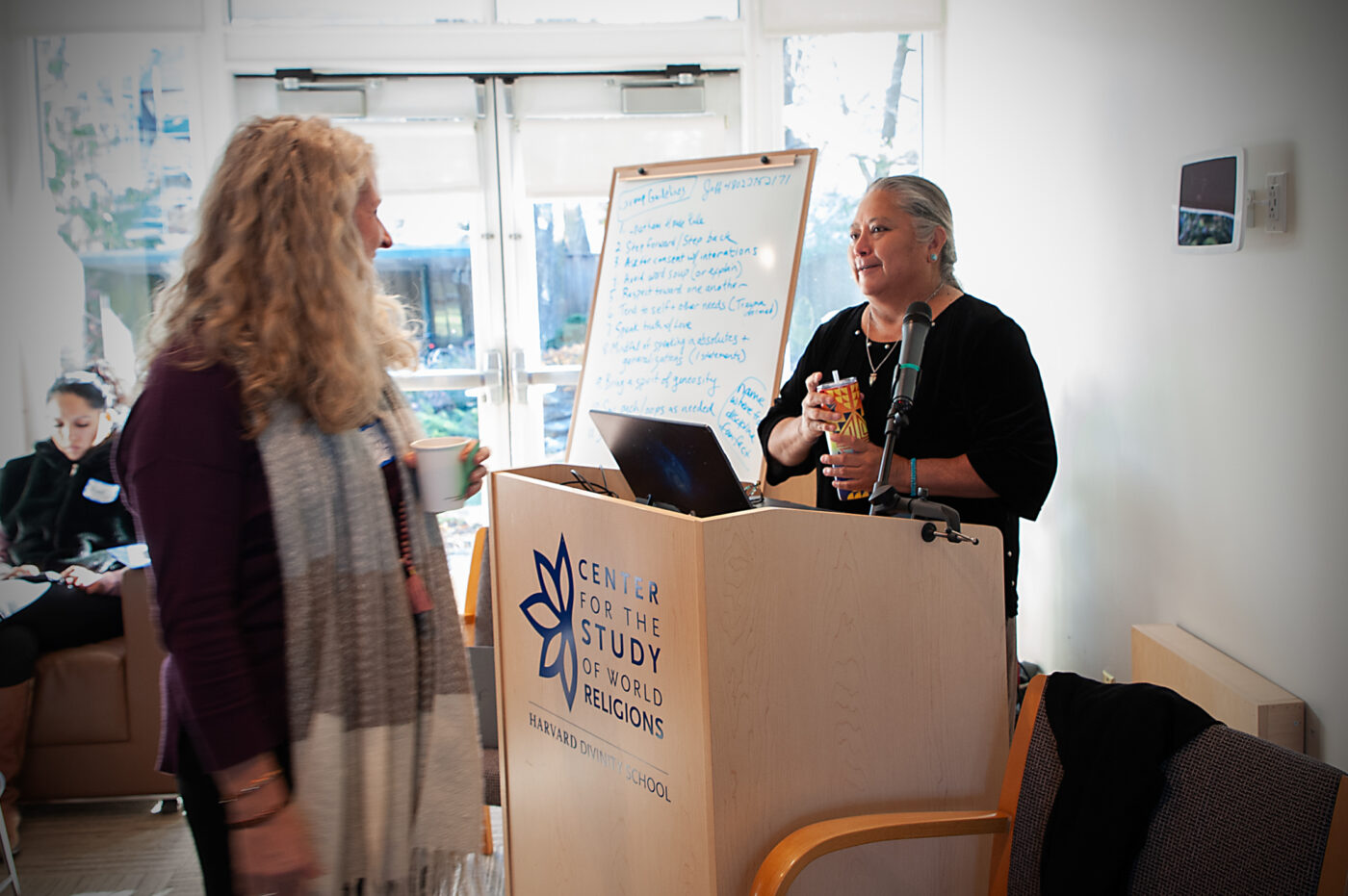
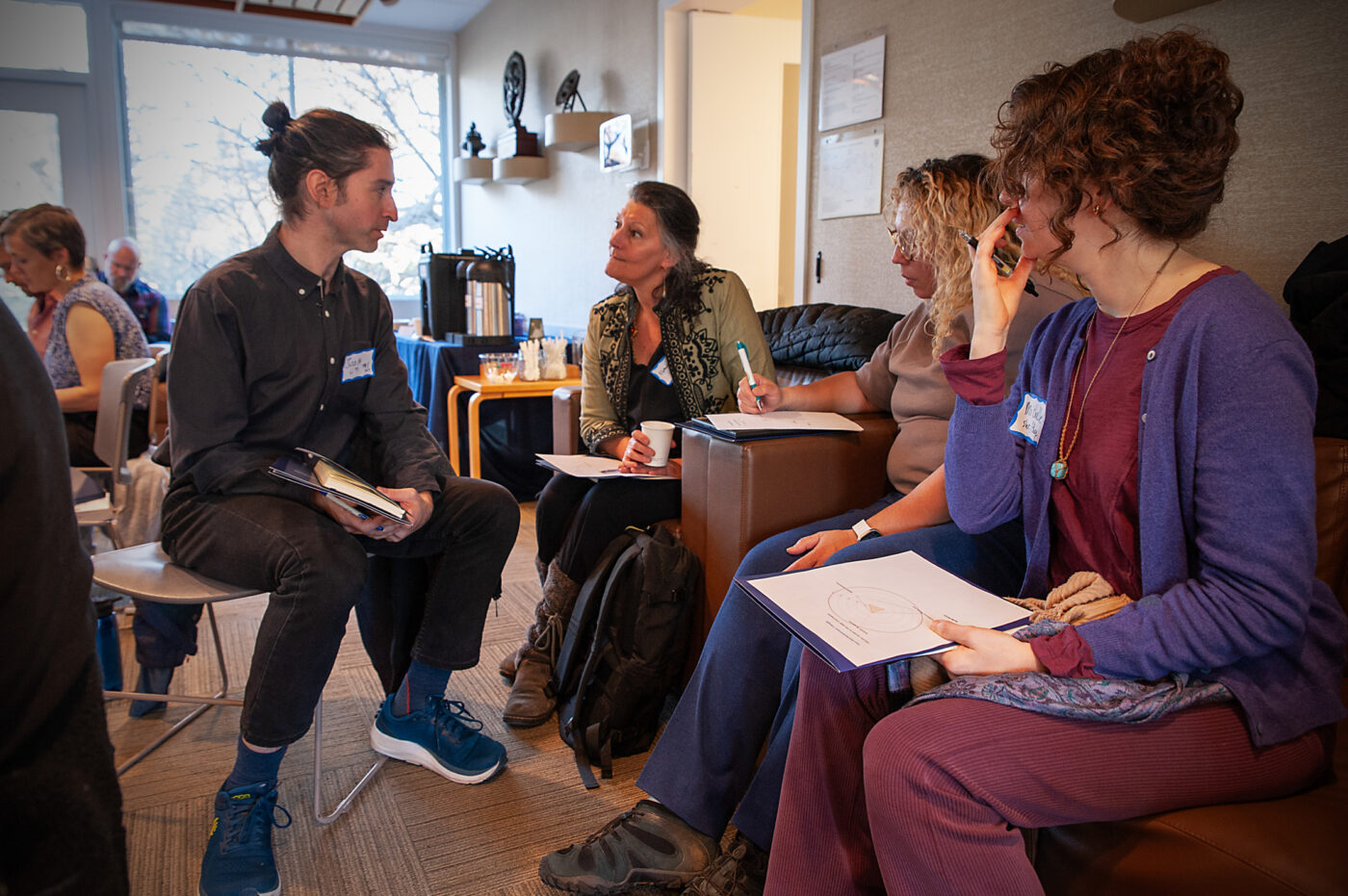
Topics of discussion included the role of spiritual care in communal and plant medicine healing environments, new religious movements forming around psychedelic sacraments, navigating law and practice in psychedelic spiritual communities, and navigating spiritual differences in psychedelic experiences. Lecture sessions were followed by small-group conversations, giving participants opportunities to share experiences, challenges, and potential solutions.
“This training offers practitioners from various fields the chance to focus on important spiritual, existential, religious, and theological issues often found in psychedelic-assisted therapy,” said Peacock, co-author of the white paper and researcher specializing in spiritual care in psychedelic-assisted therapy. “We hope it helps practitioners with some knowledge and experience deepen their understanding and approach, ultimately providing more holistic care to those receiving facilitated psychedelic treatment.”
Ronald McNutt, a VA chaplain resident, retired attorney, and leader of the Nashville Psychedelic Society—an organization focused on drug policy reform and education—said he hoped to deepen his connection to the psychedelic community and learn more about chaplaincy.
“This is such an extremely important discussion, and it’s inspiring to be here with all these wonderful people,” he said. “I’m very interested in developing empathic skills and just skills relating to people to help them feel more at ease, and comfortable and supported.”
Elizabeth Arnold EDM ’ 91 is a clinical psychologist and psychedelic integration therapist from Upstate New York. Her specialty is working with people experiencing psychosomatic symptoms through talk therapy. Psychedelics have opened up a new avenue for her work.
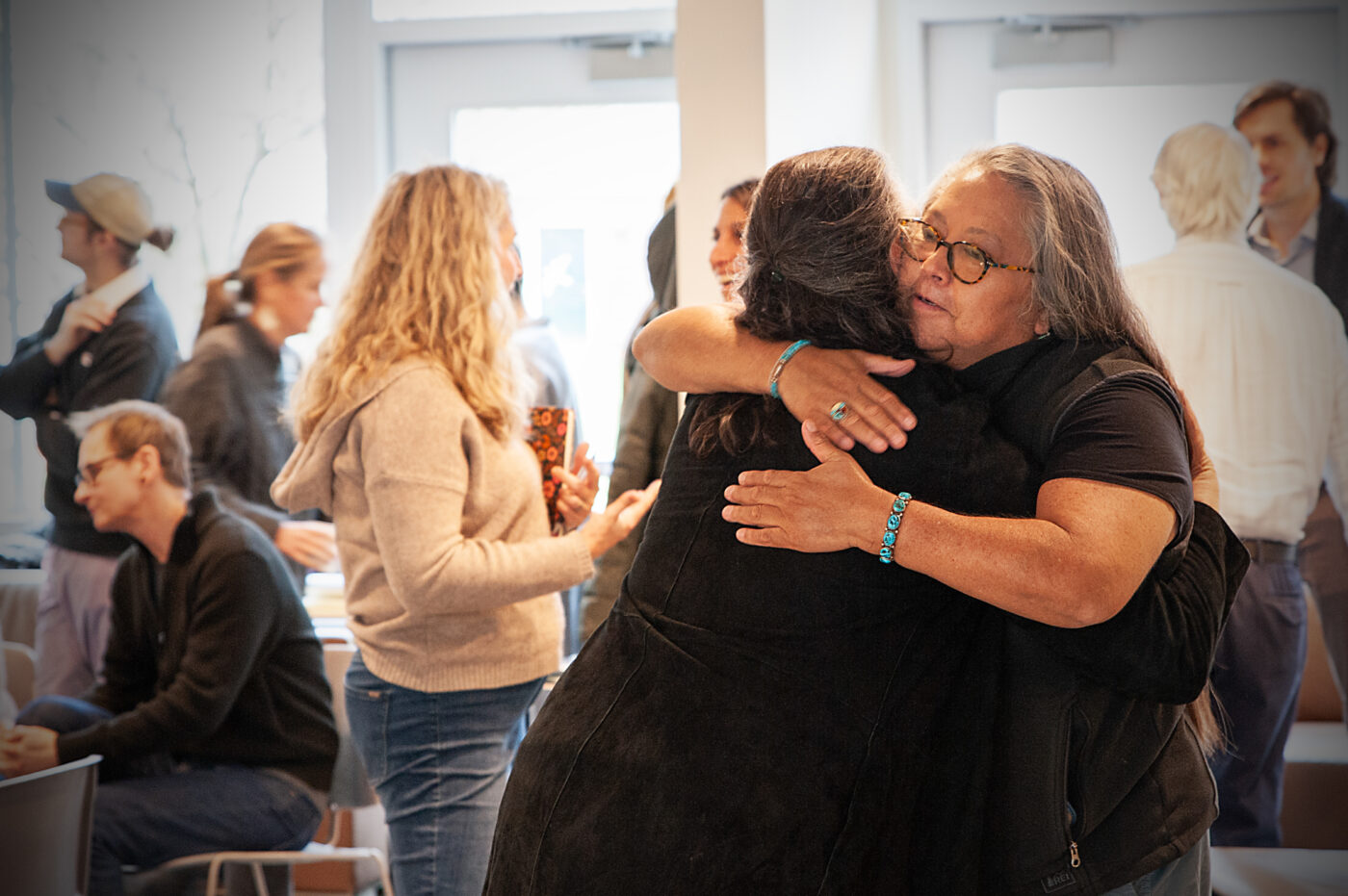
“What stands out to me about this workshop is the love, the love among colleagues, the love among friends, the trust, and then the ability to create that in a group of previous strangers who are then going to go back out into our own communities and feel changed, and I think feel really anchored and grounded that there’s a starting point.”
Daan Keiman, a lecturer at the December workshop, is the Educational Lead of the OPEN Foundation, an organization that leads a comprehensive two-year training program for psychedelic-assisted therapists. He also has a private practice as a Buddhist and Psychedelic Chaplain in the Netherlands.
“One of the things that I’ve been advocating for, one of the things that Open Foundation does, is to emphasize that psychedelic care in general and psychedelic-assisted therapy, to be specific, requires multidimensional care,” Keiman said. “When I put my spiritual caregiver hat on, it requires real skill to tend to these experiences, and that’s what this whole workshop was about.”
Laura Tuach, Assistant Dean for Ministry Studies and Field Education at HDS, said that the field of psychedelic chaplaincy is still in its infancy, and HDS and the CSWR are at the leading edge of its development. Requests for field internships began to trickle in from HDS students before the COVID-19 pandemic, but have grown significantly since the University reopened in 2020.
“I feel the field will continue to grow because chaplains know the language of support, and can help patients with their spiritual and existential experiences,” said Tuach. “I feel that we are at the leading edge of this developing field.”